







AestheticStudio Logo

Thighs Aesthetics

Category: Body
Thighs Aesthetics

Treatment Details

Session

1


Operation length

1-3 Hours


Anesthesia

General


Discomfort Period

1-5 Days


Return to work

1-5 Days


Full Recovery

2-3 weeks


Results

Permanent


Hospital Stay

1 Day

The Goal of Leg Aesthetics

The goal of leg aesthetic procedures is to achieve a more ideal leg shape, where the thighs, knees, and calves are in harmony with each other and the rest of the body. Concerns can range from disproportionate fat storage and sagging skin to a lack of volume or surface-level imperfections. A wide variety of modern surgical and non-surgical treatments are available to address these issues and create a more pleasing contour and appearance.

Addressing Common Leg Concerns: A Problem-Solution Guide

The best treatment plan depends on the specific problem being addressed. A surgeon will perform an individual evaluation, paying close attention to skin elasticity, to determine the most effective approach.

Concern 1: Excess Fat and Sagging Skin

This is often caused by weight gain or the natural aging process, which can lead to a loss of skin elasticity (a common concern for those over 40).

  • Problem: Stubborn fat deposits that are resistant to diet and exercise.
  • Solution: Liposuction or Laser Lipolysis. These procedures are ideal for removing excess fat in patients who still have good skin quality and elasticity.
  • Problem: Loose, sagging skin, often seen after significant weight loss or due to aging.
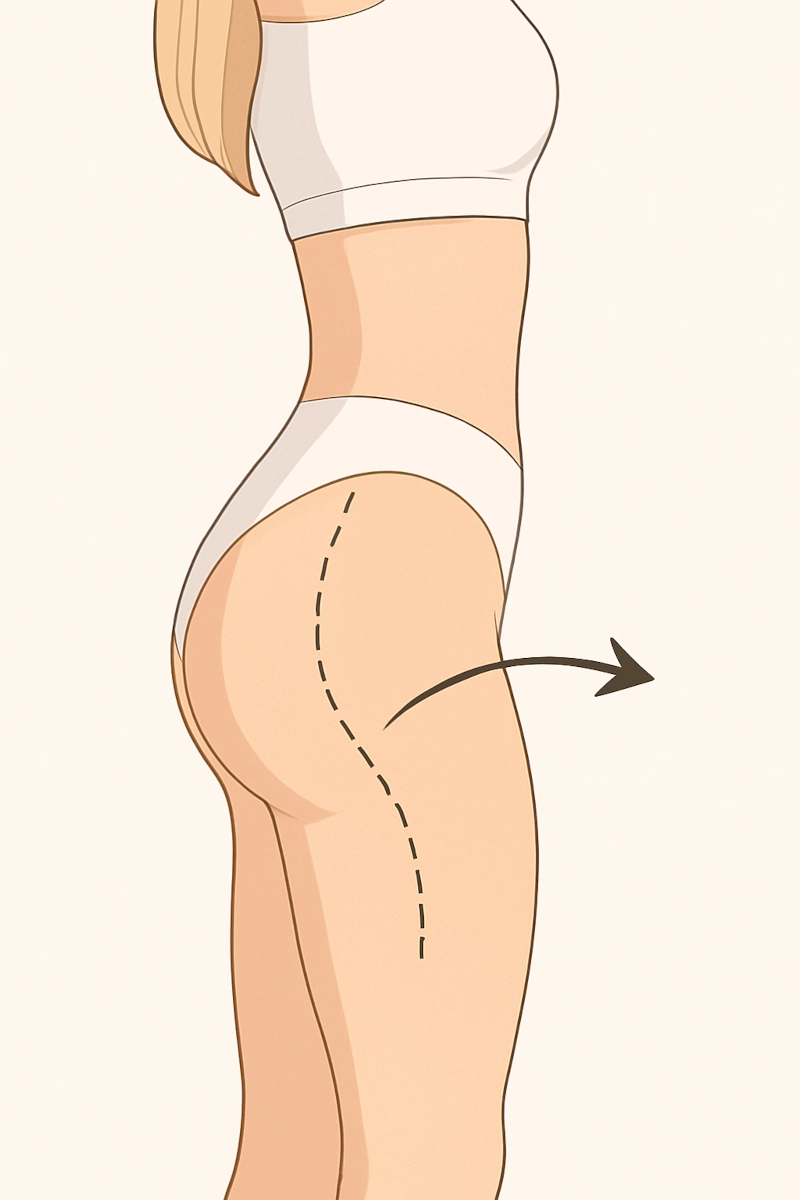
  • Solution: Thigh Lift. When there is significant skin laxity, a thigh lift is required. This surgical procedure removes the excess, sagging skin to create a firmer and smoother contour. The incisions for this lift are often strategically hidden in the groin area.

Concern 2: Lack of Volume or Irregular Shape

Not all leg imperfections are caused by excess fat. Some individuals are concerned with thinness or a "crooked" or "bandy" leg appearance, which can be the result of bone structure or muscular development issues.

  • Problem: Legs that appear too thin or have an inward curve.
  • Solution: "Camouflage Aesthetics." This approach uses volume enhancement techniques to correct the leg's contour.
    • Fat Transfer: The patient's own fat is taken from another area of the body and injected into the legs to add volume and create a more desirable shape.
    • Silicone Implants: In cases of extreme thinness where there isn't enough fat to harvest for a transfer, specially designed silicone implants can be used to achieve the desired fullness.

Concern 3: Skin Quality and Surface Imperfections

Even when the shape and contour of the legs are fine, surface issues can detract from their aesthetic appearance.

  • Problem: Visible capillary veins (spider veins).
  • Solution: Laser Therapy and Sclerotherapy. These methods are highly effective at reducing or eliminating the appearance of small, web-like veins on the skin's surface.
  • Problem: Stretch marks, rough skin texture, or unwanted hair.
  • Solution: Skin Resurfacing and Firming Treatments.
    • Microdermabrasion and Laser Treatments can be used to remove the dead upper layer of skin, improve texture, and provide hair removal.
    • For stretch marks, which show a degradation in skin quality, various "firming-smoothing" methods may be required to improve the skin's appearance.

The Importance of a Comprehensive Approach

Achieving the ideal leg contour often requires more than one technique. A surgeon will consider the harmony between the leg, thigh, and knee. This may involve a combination of procedures, such as performing liposuction in one area while injecting the harvested fat into another. Methods like loosening inner tissue bands (subcision), performing mini-lifts, and using treatments to correct the skin’s micro-circulation can be used together in a complementary manner to create the best overall result.

The Procedure: What to Expect

Leg aesthetic operations take place in a formal operating theatre. Depending on the complexity and combination of methods used, the procedure can last between 1 to 4 hours. The surgery is performed under either general anesthetic or sedation.

Recovery Period

The recovery process varies greatly depending on the specific procedures performed. Some minor pain and discomfort may be felt after liposuction or when silicone implants are used; however, this pain is typically not severe enough to significantly impact a patient's normal daily activities. Your surgeon will provide specific post-operative instructions based on your individual treatment plan.

breast
rhinoplasty
hair
dental