







AestheticStudio Logo

Hair Transplant

Category: Hair
Hair Transplant

Treatment Details

Session

1


Operation length

6-8 Hours


Anesthesia

Local


Discomfort period

10 Days


Return to work

Immediate


Full recovery

10 Days


Results

Permanent


Hospital stay

No

Understanding Hair Transplantation: A Comprehensive Guide

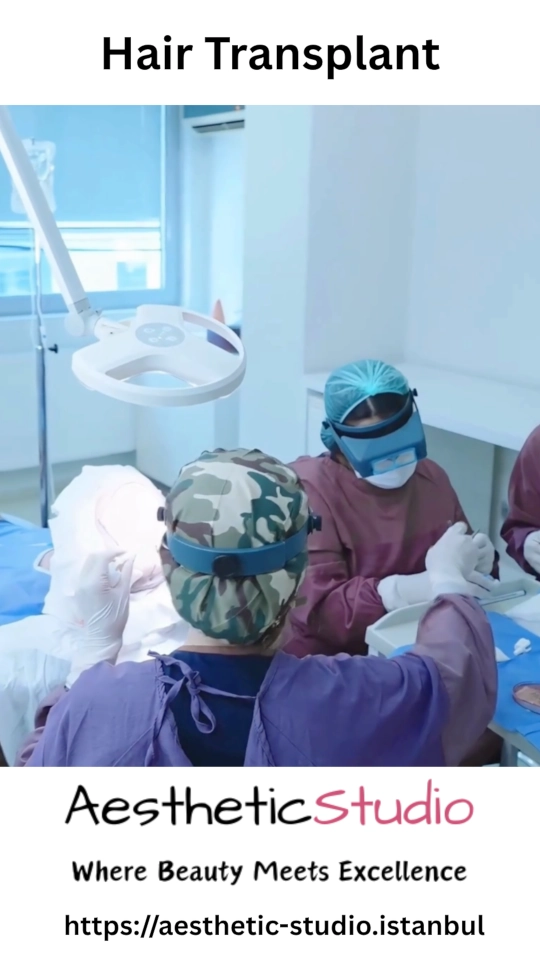
Hair transplantation is a surgical technique that moves healthy, hair-producing follicles from a donor area of the body to a bald or thinning area known as the recipient site. The procedure has evolved significantly since its early days. While initial attempts were made by a Japanese doctor in the 1930s, the modern technique was pioneered in the United States in 1952. For decades, technological limitations meant that results were often impermanent and the procedures were painful. However, by 1990, advancements in methods led to effective, permanent transplant operations that yield natural-looking results and significantly boost patient satisfaction. Today, many men and women experience hair loss due to a variety of factors, including genetic predisposition, vitamin deficiencies, and environmental conditions. If left unaddressed, this can lead to progressive thinning and eventual baldness. Modern hair transplantation offers a lasting solution with procedures that are minimally painful, efficient, and practical, helping individuals achieve a more youthful appearance. The ultimate goal is to restore the patient's desired look, thereby enhancing their self-esteem and quality of life.

Common Hair Transplant Techniques

Several methods are used for hair transplantation, each with its own advantages. The two most prominent techniques are FUE and DHI.

What is FUE (Follicular Unit Extraction) Hair Transplant?

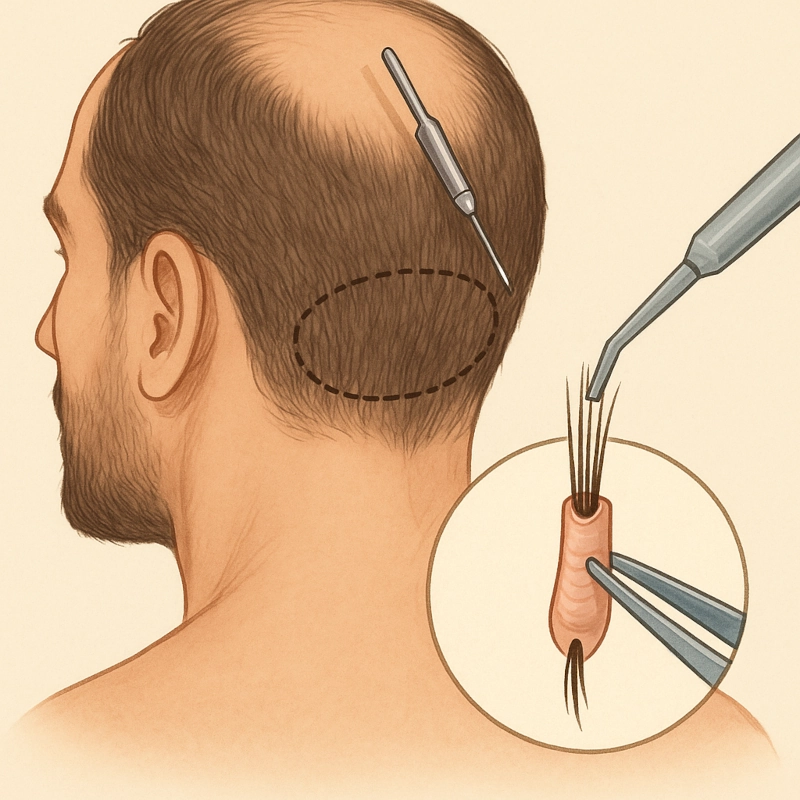
Developed in 2004, the FUE technique involves extracting individual hair follicles from the donor area using a specialized micro-motor. The core principle is the one-by-one collection of follicular units. The recipient area is numbed with local anesthesia, and small channels are created where the grafts are then meticulously placed one at a time. Because this method does not involve a linear incision on the scalp, it does not leave behind noticeable scars. A single FUE session can harvest between 2,000 and 5,000 grafts, and multiple sessions can be performed if needed. The FUE method is a versatile option suitable for both men and women. The cost of the procedure is typically proportional to the number of grafts required, which is determined by the size of the area being treated.

What is DHI (Direct Hair Implantation) Hair Transplant?

The DHI method is a significant advancement in hair transplantation as it allows for the implantation of follicles without the need to pre-create channels. Using a specialized implanter pen, the surgeon can open the channel and place the graft in a single motion. This saves considerable time and minimizes how long the delicate grafts remain outside the body, preserving their quality and viability. This technique is known for being less invasive, requiring no stitches or incisions. By reducing the time grafts are exposed, the probability of them successfully growing once implanted is increased. While DHI is considered one of the most advanced and effective methods, it requires a high degree of precision and care from the surgical team.

Innovations in Hair Transplantation: The Multi-Implanter

The field of hair transplantation is constantly evolving with new technology. One such innovation is the multi-implanter device, designed to maximize efficiency while minimizing pain. Featuring a special head with up to 10 needles, this tool can significantly reduce procedure time. A transplant that might take three hours with other methods can potentially be completed in about one hour. The needles are designed to implant follicles at the ideal depth for survival, which can reduce graft loss by an average of 90%. This technology also facilitates "unshaven" transplants, allowing patients to return to their daily routines more quickly without the fatigue and discomfort of a lengthy procedure.

The Hair Transplant Process: A Step-by-Step Guide

A hair transplant procedure typically follows four main stages after the initial consultation and planning.

1. Application of Anesthesia

To ensure the procedure is comfortable and pain-free, a painless anesthetic device is often used first. This device applies a numbing agent via a spray method. Following this, local anesthesia is administered to the scalp to ensure the area is completely numb throughout the surgery.

2. Graft Collection from the Donor Area

Using precision motors, the required number of grafts (living hair follicles) are carefully harvested one by one from the donor area, typically the back or sides of the head. Care is taken to not create any visible thinning in the donor region. The harvested grafts are preserved in a special organ transplant solution until they are ready for implantation.

3. Implantation of the Grafts

The preserved grafts are meticulously inserted one at a time into the recipient area. Depending on the technique (FUE or DHI), this involves either placing them into pre-made channels or implanting them directly. This stage typically takes around three hours to complete.

4. Post-Procedure Mask Application

Immediately after the transplant, a specialized mask may be applied to the treated area. The purpose of this mask is to soothe the scalp, reduce the discomfort that can follow as the anesthesia wears off, and support the initial healing process, allowing the patient to rest comfortably.

Frequently Asked Questions (FAQ)

Who is a candidate for a hair transplant?

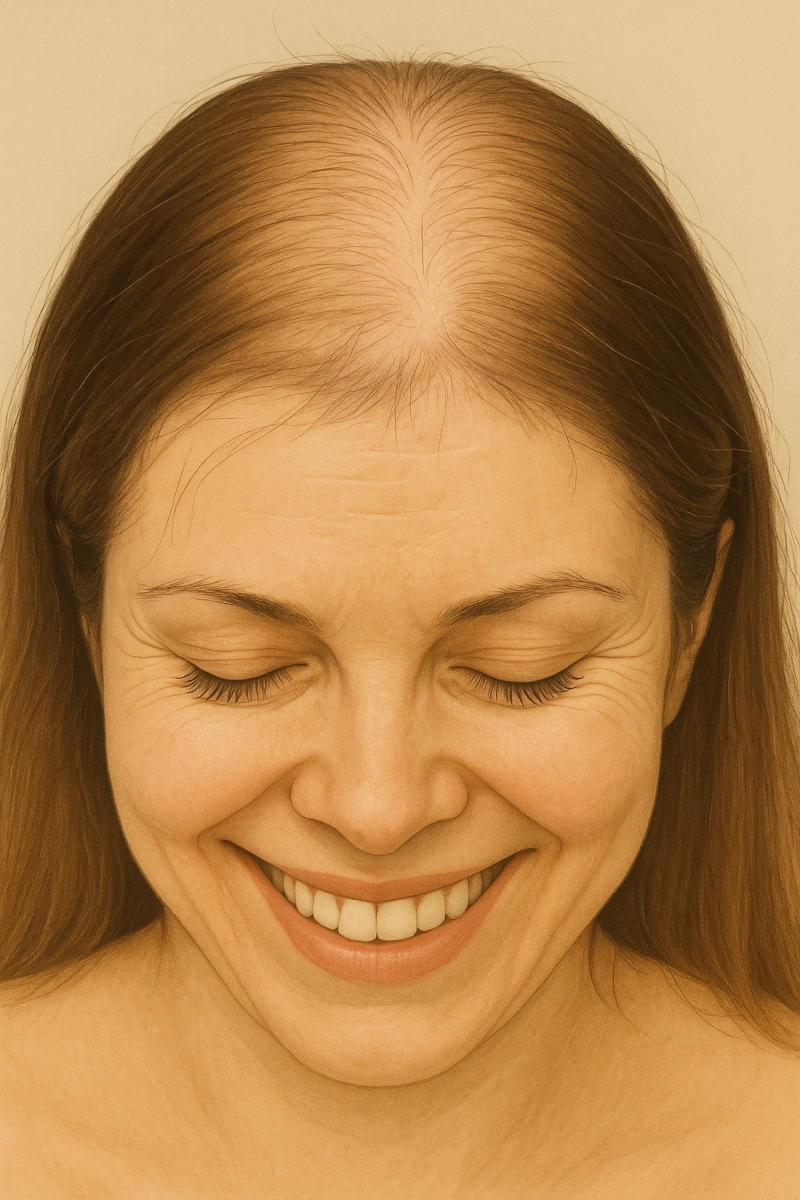
Both men and women can be excellent candidates. For female patients, the procedure can be performed with or without shaving the head, depending on the extent of hair loss and the chosen technique. Shaving is often recommended for larger areas to allow for more intensive and frequent planting (3,000-5,000 grafts). For smaller areas, an unshaven transplant is a viable option, with hair appearing thicker within 6 to 8 months. A crucial factor for any candidate is having a sufficient number of healthy grafts in their donor area. In some cases, if the scalp's donor area is insufficient, grafts can also be taken from the beard.

How long does the surgery take?

The duration depends on the size of the area being treated. A standard procedure can last between 2 to 3 hours. If the transplant area is large and requires more grafts, the surgery might take 6 to 7 hours.

What is the recovery timeline?

It takes between one year and 18 months for the transplanted hair to fully thicken and mature.

  • 4-6 weeks post-transplant: The newly transplanted hairs will shed. This is a normal part of the process.
  • 3-5 months post-transplant: New, permanent hair will begin to grow.
  • 12-18 months post-transplant: The final, mature results will be visible.

How painful is hair transplantation?

Modern procedures are designed to be minimally painful. The use of a spray-on anesthetic followed by local anesthesia ensures that the patient does not feel pain or discomfort during the graft extraction and implantation process.

When can I wash my hair normally?

The scalp will form crusts after the procedure, which will begin to fall off. A special care set including shampoo, vitamins, and serum is often recommended to help the grafts adhere and to speed up recovery. The first gentle wash is typically performed at the clinic the day after the transplant. Normal washing can usually be resumed after about 13 days.

How should I sleep after the procedure?

For the first week, it is important to sleep with your head and back slightly elevated to minimize the risk of swelling on the scalp and forehead. This helps ensure a more comfortable recovery.

When can I exercise or have sex?

  • First 7 days: Avoid any activities that could cause sweating or trauma to the grafts, including sports and sexual intercourse. Activities that require bending forward should be avoided for the first 5 days.
  • After 15 days: Light-tempo exercise can be resumed.
  • After 30 days: Heavy sports can be resumed.
  • For 3 months: Avoid contact sports like football or kickboxing where there is a risk of impact to the head.

When is the best time to get a hair transplant?

There is no specific "best time" or season. The right time is whenever you feel physically and psychologically ready. However, many patients prefer seasons where they can avoid intense sun exposure and heavy sweating for greater comfort during the initial healing period.

Important Considerations Before and After Your Transplant

Choosing a Doctor and Clinic

The success of your hair transplant depends heavily on the skill of your doctor. Take time to research potential doctors, focusing on their experience and the results of their previous procedures. Choose a reputable clinic and a doctor in whom you have the most confidence. Many health centers in destinations like Turkey are renowned for their expertise and adherence to global standards in hair transplantation.

Pre- and Post-Procedure Care

  • Before the procedure, medical tests (such as bleeding time, HIV, Hepatitis B & C, and hemogram) will be performed to ensure you are a suitable candidate.
  • It is critical to follow instructions regarding alcohol and tobacco use before and after the transplant, as these can affect healing.
  • Protect the treated area from any impacts to avoid damaging the new follicles.
  • Post-transplant therapies like laser therapy, micro-needle treatments, or ozone mesotherapy may be recommended to stimulate dormant follicles, nourish the hair, and accelerate the healing process. These treatments can improve blood flow, rejuvenate cells, and promote stronger, healthier hair growth.

How Much Does a Hair Transplant Cost?

The final price is determined after a doctor's consultation to assess your needs and determine the number of grafts required. Costs vary based on the technique used, the complexity of the procedure, and the reputation and location of the clinic.

breast
rhinoplasty
dental
hair