





AestheticStudio Logo

Gastric Balloon

Category: Body
Gastric Balloon

Treatment Details

Session

1


Procedure Time

Under 1 hour


Anesthesia

Light Sedation or None


Discomfort Period

1-3 Days


Return to work

Immediately or 1 Day


Treatment Duration

4-6 Months


Results

Varies (lifestyle dependent)


Hospital Stay

Not required

What is a Gastric Balloon?

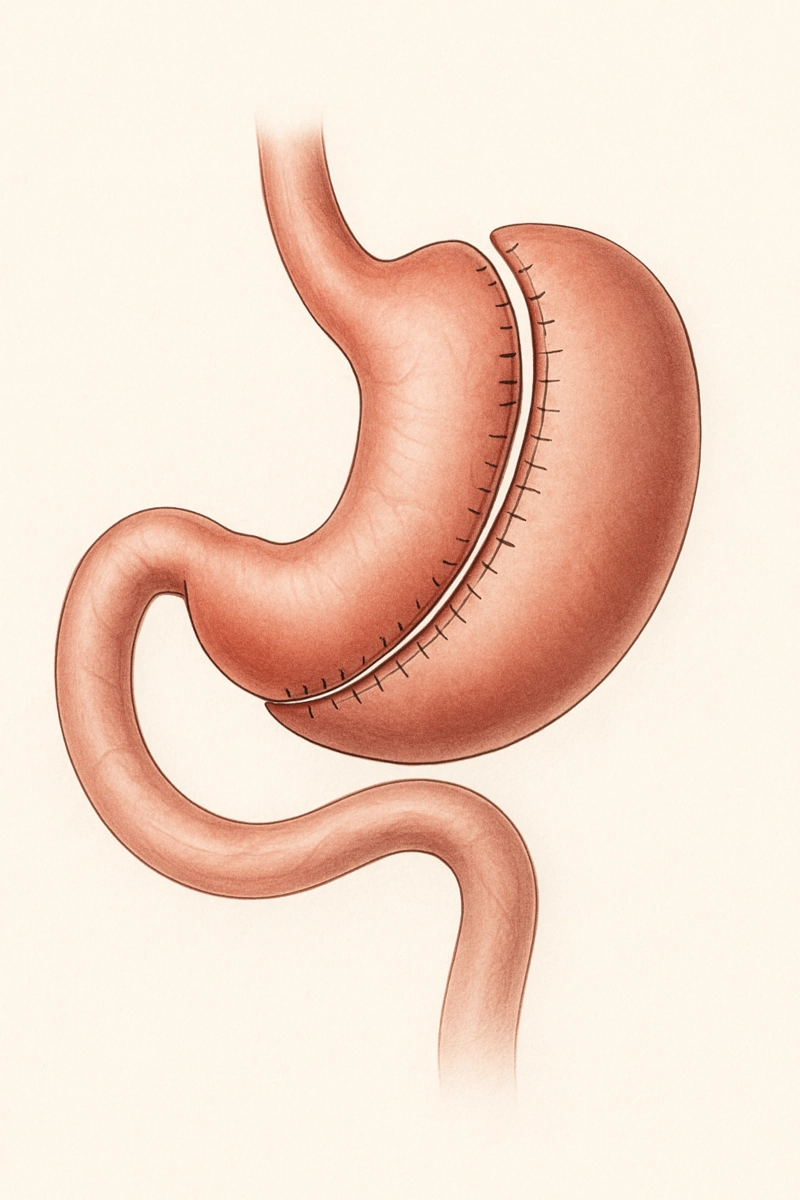
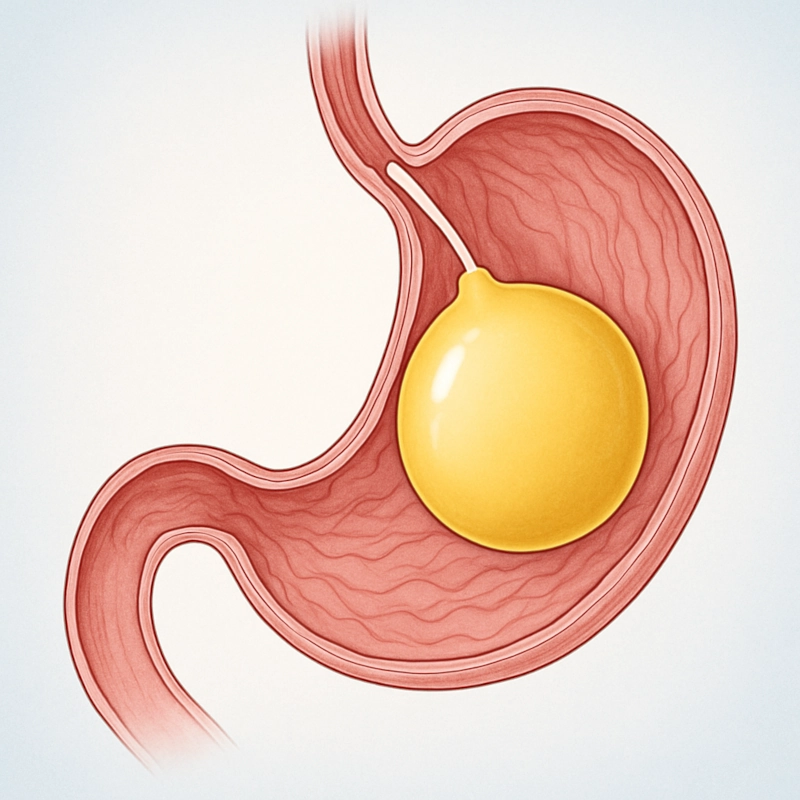
A gastric balloon is a non-surgical, temporary medical device designed to aid in weight loss. As a person gains weight, the stomach can enlarge over time, leading to an increased need for food to feel full. A gastric balloon works by occupying space within this enlarged stomach, which helps the user feel satisfied with smaller portions of food. The balloon typically remains in the body for an average of 4 to 6 months. Its primary effect is to serve as a tool for portion control, allowing individuals to adapt to a healthier diet. The long-term success of the procedure is dependent on the person's commitment to this new, regular diet, which helps ensure the weight loss is permanent.

Who is an Ideal Candidate for the Gastric Balloon?

As a non-surgical obesity treatment, the gastric balloon is a suitable option for many people. However, the procedure is generally recommended for individuals who meet specific criteria:

  • Body Mass Index (BMI): It is most effective for people with a BMI between 30 and 40. A high BMI is a health priority, as it is often a precursor to other diseases.
  • Obesity-Related Health Issues: It can be an excellent option for those experiencing problems like type 2 diabetes, hypertension, sleep apnea, or excessive joint strain due to their weight.
  • Alternative to Surgery: The gastric balloon may be recommended for individuals who do not qualify for or wish to avoid bariatric surgery due to surgical risks or other health reasons.
  • Previous Weight Loss Attempts: It is also considered an appropriate treatment for people whose previous attempts to lose weight through diet and exercise have been unsuccessful or unsustainable.

How is a Gastric Balloon Placed?

A gastric balloon is a device that is placed into the stomach and then expanded to the correct volume. Some are filled with a sterile saline liquid, while others are filled with gas. There are two primary methods for placing the balloon:

1. Endoscopic Gastric Balloon Placement

This procedure is performed with the patient under sedation or light anesthesia. A flexible tube with a camera on its tip, called an endoscope, is guided through the mouth and into the stomach. The surgeon uses the endoscope to visually inspect the stomach and find the best location for the balloon. Once positioned, the balloon is inflated with either liquid or gas, the tube is removed, and the patient is allowed to wake up.

2. Swallowable Gastric Balloon Placement

The key difference with this method is that it does not require any endoscopy, sedation, or anesthesia. The patient swallows a small capsule, about the size of a large pill, with plenty of water. The capsule is attached to a thin tube. Once X-rays confirm the capsule is in the stomach, the balloon is filled with liquid or gas through the tube. When the balloon is full, the tube is detached and removed, and the patient can return to their daily life immediately.

Life After the Gastric Balloon Procedure

To ensure successful weight loss and avoid complications, it is essential to manage the post-procedure period carefully.

  • Dietary Program: Following a special diet prepared by a dietitian is crucial. The diet typically begins with liquid foods for the first few days before slowly transitioning to soft and then solid foods. Paying close attention to portion control and eating slowly will help you get the most benefit from the balloon.
  • Hydration and Physical Activity: Drinking enough water throughout the day is important to stay hydrated. Physical activity is also key to accelerating weight loss and improving overall health, but you should follow your doctor's recommendation for when to start and what level of activity is appropriate.
  • Medical Follow-Up: Regular check-ups with your doctor are important to monitor your weight loss progress and diagnose any potential problems early. You should also take any medications or supplements recommended by your doctor to ensure your body’s nutritional needs are being met.
breast
rhinoplasty
dental
hair