







AestheticStudio Logo

Facelift (Rhytidectomy)

Category: Face
Facelift (Rhytidectomy)

Treatment Details

Session

1


Operation length

2-3 hours


Anesthesia

General


Discomfort Period

3-7 days


Return to work

7-10 Days


Full Recovery

3-6 months


Results

Permanent


Hospital Stay

1 Day

Understanding the Facelift (Rhytidectomy)

A facelift, medically known as a rhytidectomy, is a surgical procedure designed to address the visible signs of aging, such as sagging skin and wrinkles. As we age, the effects of gravity and a loss of skin elasticity cause the facial muscles and skin to droop. A facelift aims to reverse these effects by repositioning underlying tissues and removing excess skin, resulting in a healthier, smoother, and more youthful appearance. The desire to look young is timeless, and modern aesthetic medicine offers a variety of advanced techniques to achieve this. From surgical procedures that provide long-lasting results to non-surgical options that offer rejuvenation with minimal downtime, there is a solution to meet nearly every need.

Types of Facelift Procedures

The term "facelift" can refer to several different procedures, ranging from comprehensive surgery to minimally invasive treatments. The best option depends on the individual's specific goals and degree of aging.

Surgical Facelifts

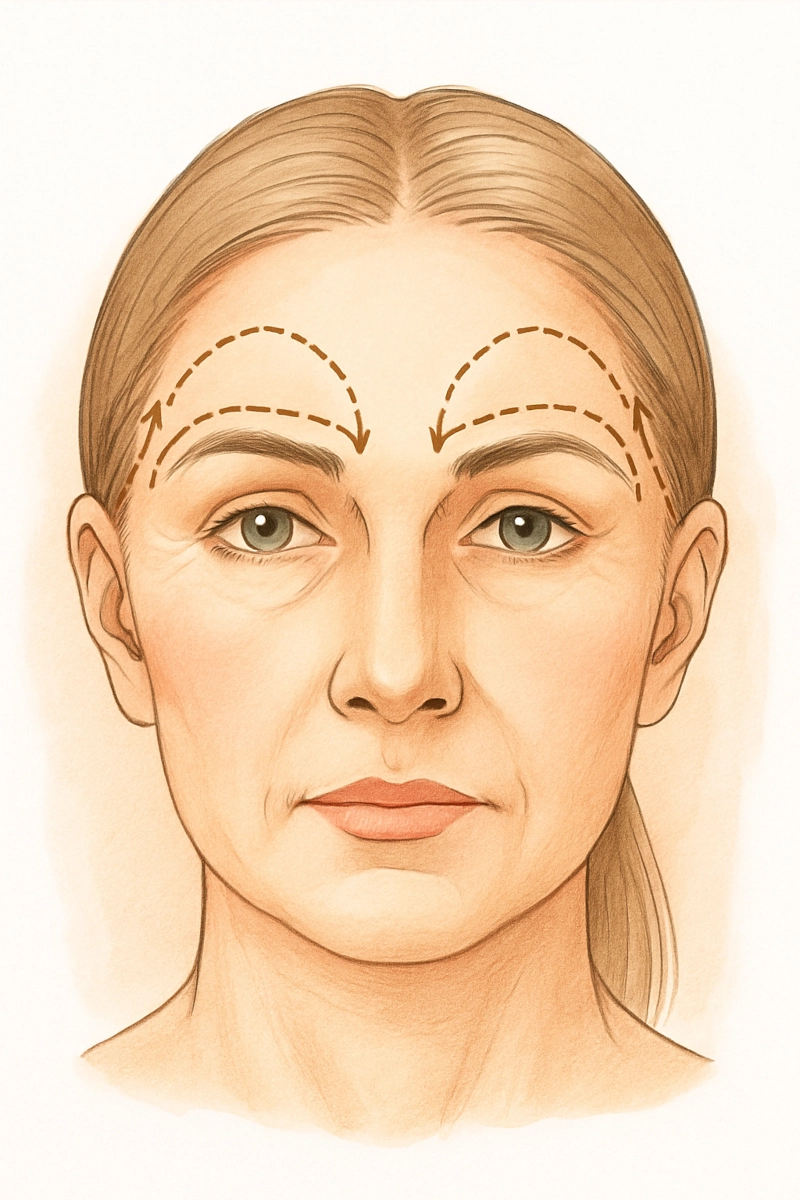
  • Deep Plane Facelift: This is a comprehensive procedure for significant, long-lasting results. The surgeon makes an incision from the temple area, extending around the ear and into the hairline. This allows for repositioning the deeper layers of muscle and tissue across the entire face and upper neck. It is generally recommended for patients aged 50 and over with more advanced signs of aging.
  • Mini Facelift: A less invasive surgical option that targets the lower part of the face, including the cheeks and jowls. Using fewer and smaller incisions, typically around the front of the ear and sideburn area, the surgeon lifts the underlying tissue upwards to tighten the jawline and reduce sagging.
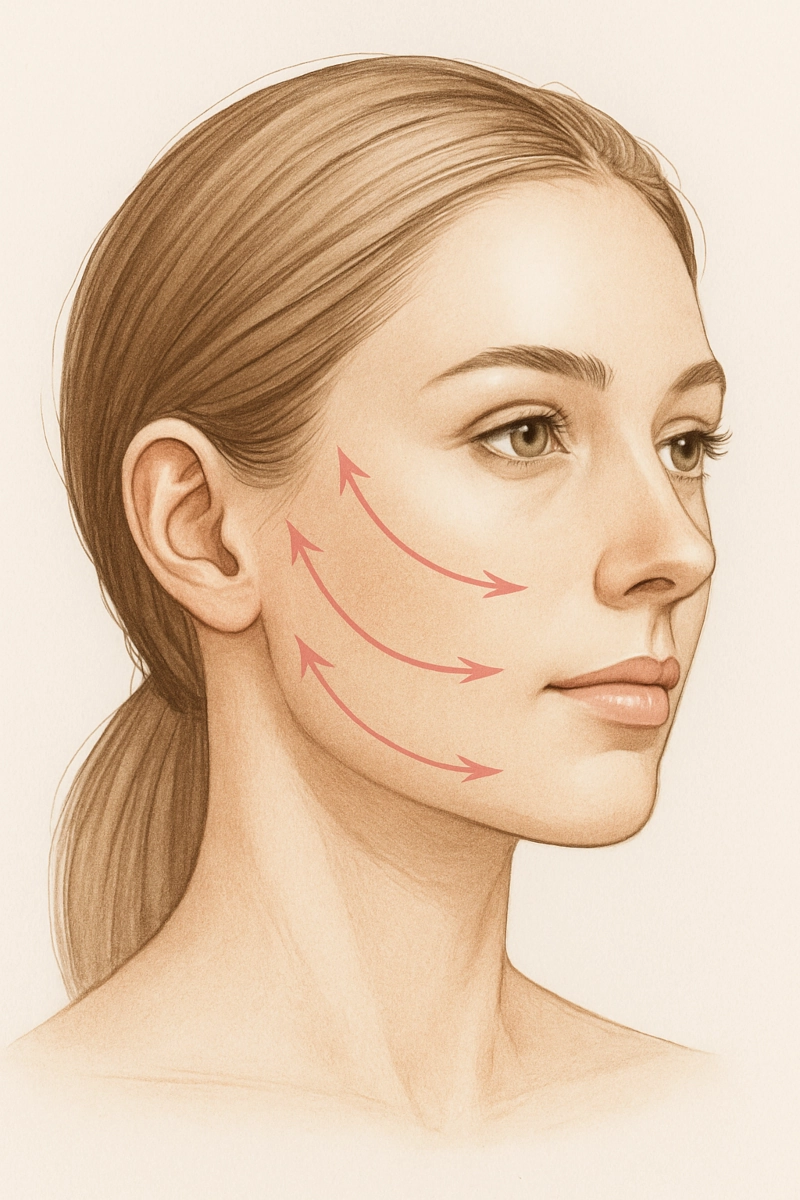
  • Ponytail Facelift: This technique focuses on creating an upward lift by making incisions hidden above the ear and within the hairline. By pulling the subcutaneous ligaments upwards, it effectively reduces sagging and wrinkles for a rejuvenated look without incisions close to the central part of the face.

Non-Surgical & Minimally Invasive Options

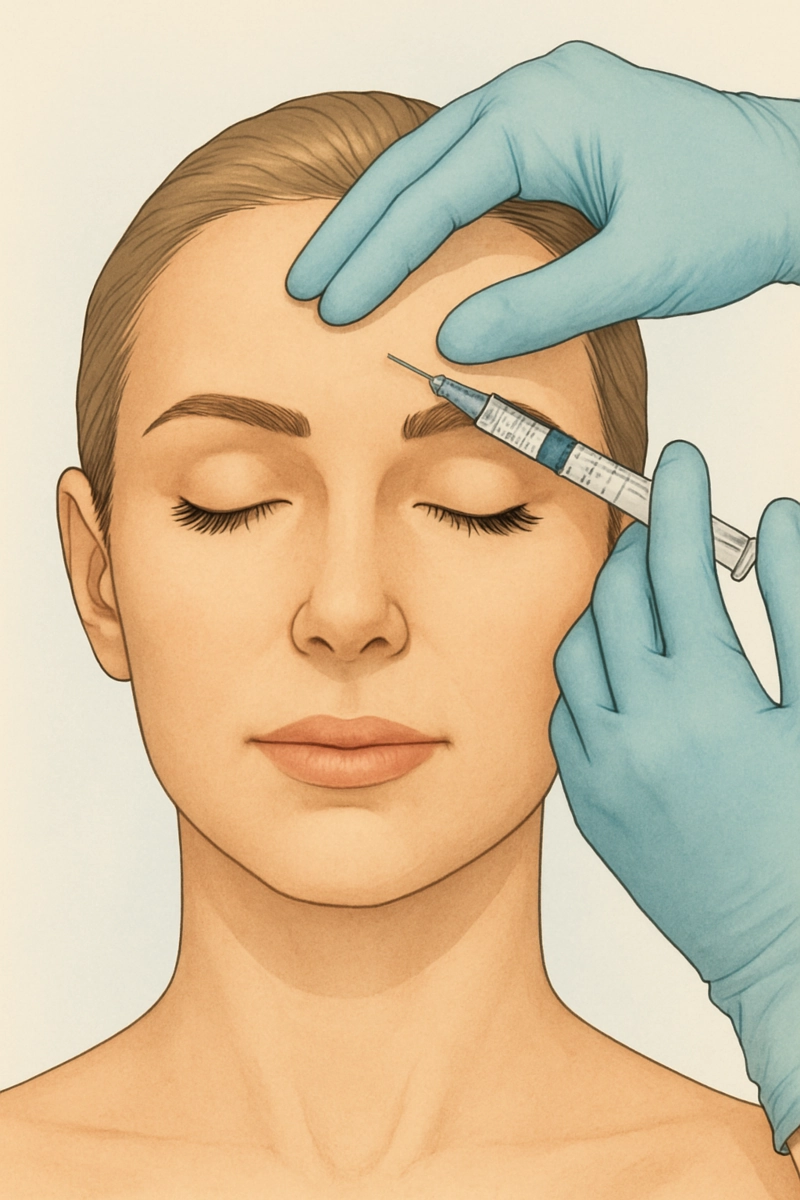
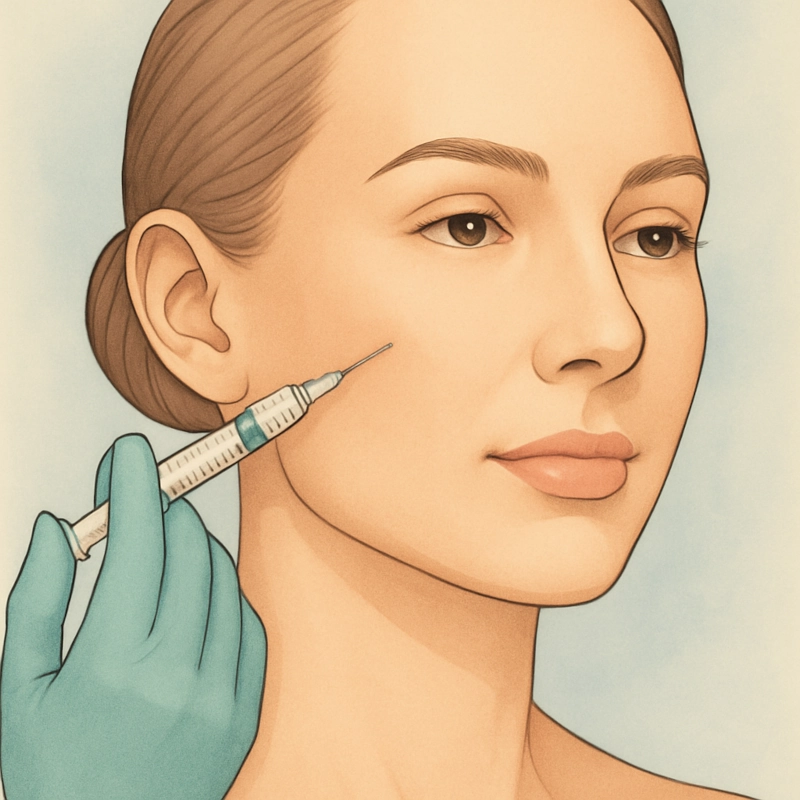
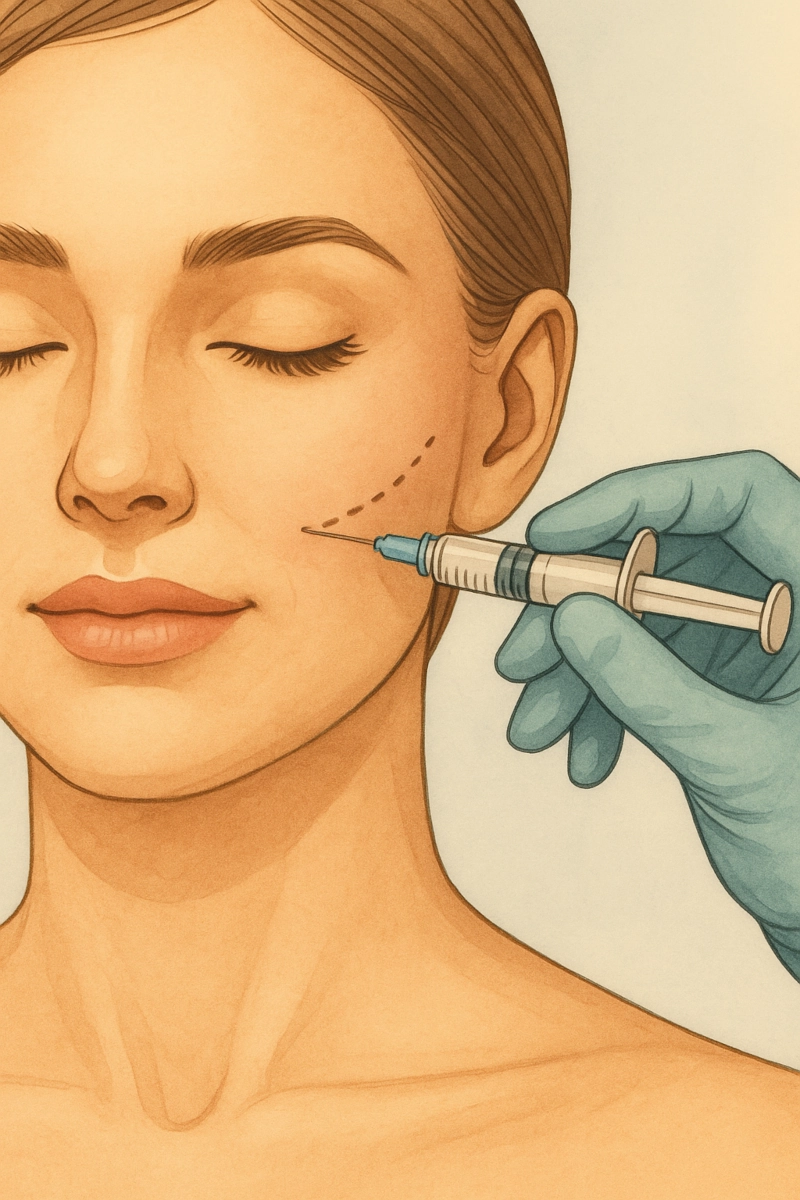
  • Liquid Facelift: This non-surgical procedure involves injecting dermal fillers, such as those containing hyaluronic acid, into targeted areas of the face. This restores lost volume, smooths out wrinkles, and lifts sagging skin without any incisions or anesthesia.
  • Vampire Facelift: This treatment combines the benefits of the patient's own plasma (PRP) with hyaluronic acid fillers. A small amount of the patient's blood is drawn and processed to separate the plasma, which is then re-injected into the face. This helps to eliminate wrinkles and improve skin elasticity and texture. The procedure takes about two hours, and patients can resume daily life the same day.
  • Thread Lift: In this procedure, temporary sutures are used to produce a subtle but visible "lift" in the skin. While effective for mild sagging, common side effects include short-term bruising, redness, and tenderness at the insertion sites.

Who is a Good Candidate for a Facelift?

There is no single "best" age or time to get a facelift. Candidacy is determined by the individual's skin condition rather than their chronological age. The procedure is recommended when sagging and wrinkles become a concern. For some, this may be in their late 20s or early 30s due to genetic factors, while for others it may be later in life. The most important factor is that the person feels ready for the procedure.

The Surgical Facelift Process

After a thorough skin analysis and consultation to determine the best method, a surgical facelift is performed under either local or general anesthesia. The surgeon begins by making incisions in discreet locations, such as the temple area, behind the ear, or within the hairline. The loosened underlying muscles are tightened and repositioned, and excess skin is removed to eliminate drooping. In many cases, a facelift is combined with eyelid surgery or a brow lift for comprehensive facial rejuvenation.

Before and After Your Facelift: A Comprehensive Guide

Proper preparation and aftercare are crucial for a successful outcome.

Before Your Surgery

  • Stop consuming any blood-thinning medications, vitamins, and foods (such as garlic, turmeric, cherry, and kiwi) at least five days before surgery.
  • Avoid harmful substances like cigarettes and alcohol for a period before and after the operation to ensure proper healing.

After Your Surgery: The Recovery Timeline

  • Immediate Post-Op: A one-day hospital stay is common for observation. Swelling and bruising are normal; use ice packs to help reduce them. Take all recommended medications regularly.
  • First Few Weeks:
    • Avoid getting your face wet for the first two days; do not shower.
    • Wear a supportive chin strap or compression garment for at least two weeks to reduce swelling and support the healing tissues.
    • Avoid sexual intercourse for at least two weeks.
    • Sleep on your back, avoiding pressure on either side of your face, for 2 to 4 weeks.
  • Full Recovery (4-6 Weeks): The full recovery process is typically complete within 4 to 6 weeks. By this time, about 90% of the swelling and all bruising should be gone.

Specific Recovery Tips:

  • Swelling: In addition to ice, consuming edema-reducing foods and avoiding alcohol can help swelling subside faster. It typically disappears within 72 hours.
  • Lumps: Lymph drainage massage may be recommended by your doctor to accelerate healing and reduce any lumps, bumps, or marks.
  • Massage: Do not massage your face until all crusting and bruising has healed. When you do, follow your doctor's recommendations and use appropriate creams.

Long-Term Care:

  • Be gentle when applying makeup or doing hair care.
  • Regularly use sunscreen to protect your skin.
  • Avoid saunas, steam baths, and other high-heat environments for at least six months.

Frequently Asked Questions

How long does a facelift last?

The results of a surgical facelift can last for up to 20 years. While the procedure turns back the clock, the natural aging process will continue. However, the skin’s elasticity is improved, providing a more youthful appearance for years to come.

How much does a facelift cost?

The cost varies depending on the type of procedure performed and the chosen institution. When making a decision, it is important to evaluate a surgeon's experience and success level, not just the price.

dental
rhinoplasty
hair
breast