







Dermal Fillers
Category: Face

Treatment Details
Session
1-2
Operation Length
20 Minutes
Anesthesia
Local
Discomfort Period
None
Return To Work
The same day
Full Recovery
The same day
Results
6-10 months
Hospital Stay
No
An Introduction to Dermal Fillers
Dermal fillers are injectable substances used in aesthetic medicine to add volume to various parts of the body (such as the face and hands), fill in skin creases and wrinkles, and augment features like the lips. The most commonly used and well-known fillers are based on hyaluronic acid. This substance is naturally found in the body, and its unique water-retention characteristic allows it to add volume and hydration to the skin. Over time, the body naturally metabolizes it, making the results temporary.
Types of Fillers and Their Longevity
Dermal fillers can be broadly classified based on how long their effects last:
- Non-permanent: Lasting less than 1 year. Hyaluronic acid fillers fall into this category, with an average permanence of 6-12 months (typically 4-6 months for lips).
- Semi-permanent: Lasting between 1 and 2 years.
- Permanent: Lasting more than 2 years. These are often made from synthetic materials.
The specific type of hyaluronic acid filler used is chosen based on the treatment area and the degree of volume loss. For example, highly fluid fillers are used for delicate areas around the eyes and lips, while more concentrated, less fluid fillers are used for deeper creases and for facial shaping.
Common Treatment Areas for Dermal Fillers
Fillers are incredibly versatile and can be used to address a wide range of cosmetic concerns across the face and body. Common applications include:
- Filling Lips: To add volume and definition.
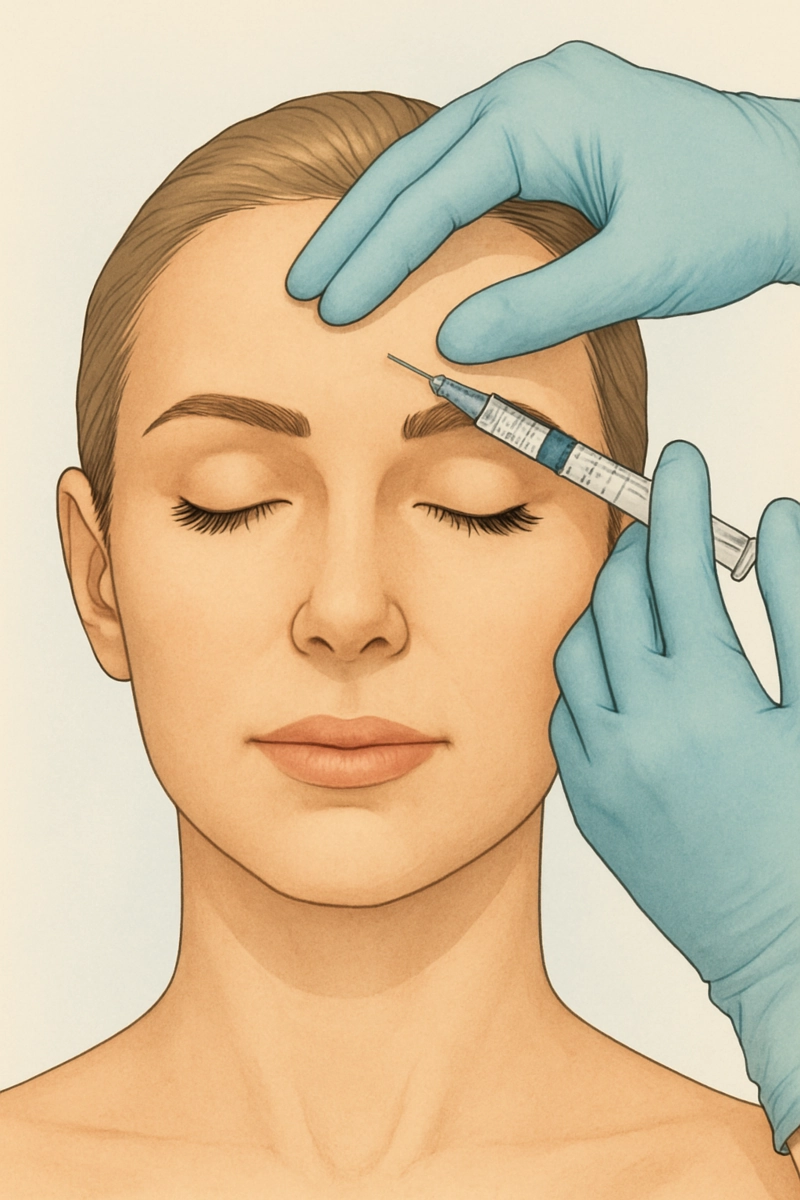
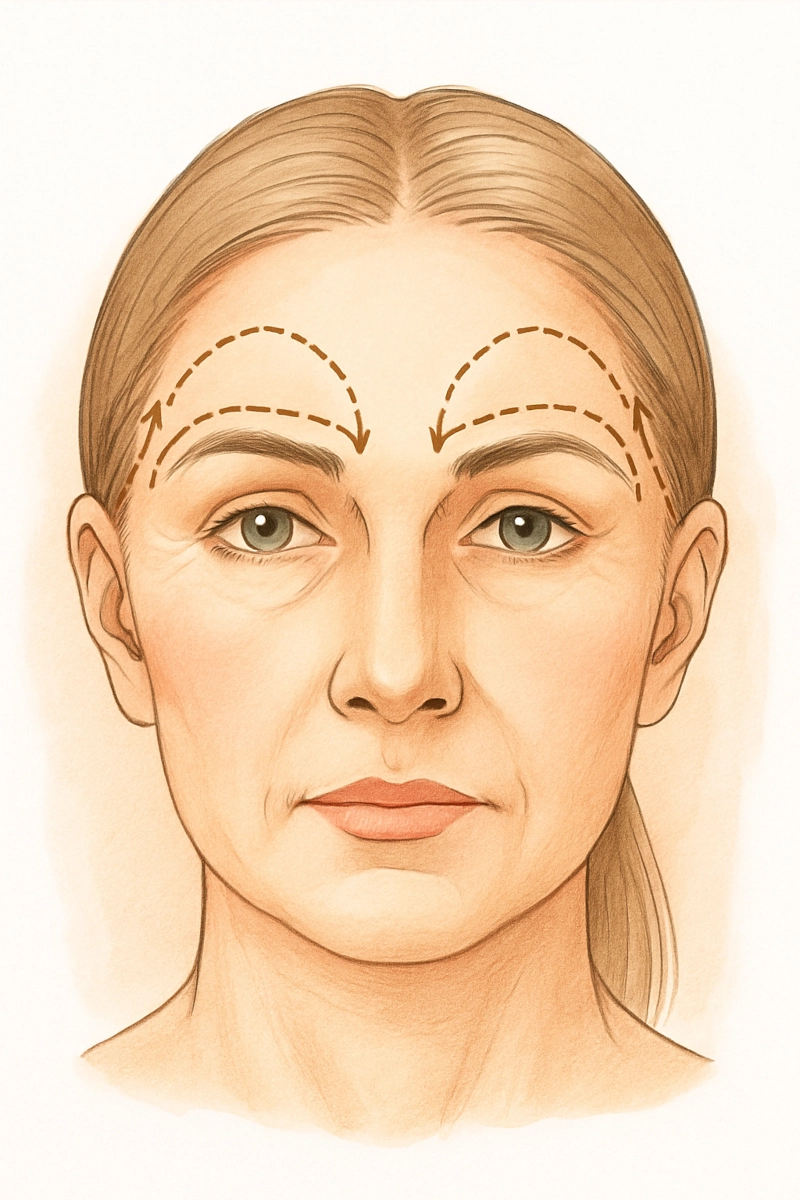
- Smoothing Lines: For lines running from the nose to the corners of the mouth (nasolabial folds), lines above the lips, and frown lines between the eyebrows.
- Restoring Volume: To the cheekbones and cheeks to create lift and a more youthful contour.
- Hand Rejuvenation: To restore volume to the back of the hands.
The Dermal Filler Procedure: What to Expect
1. Before the Injection
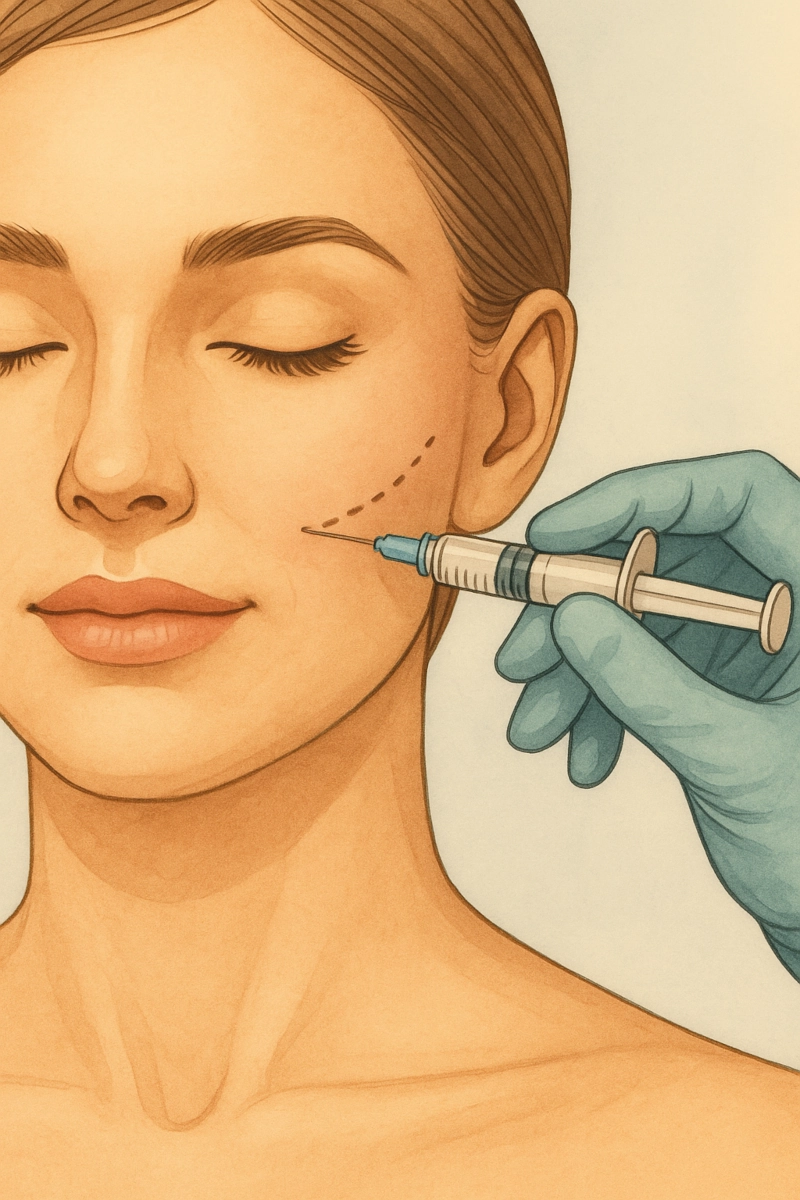
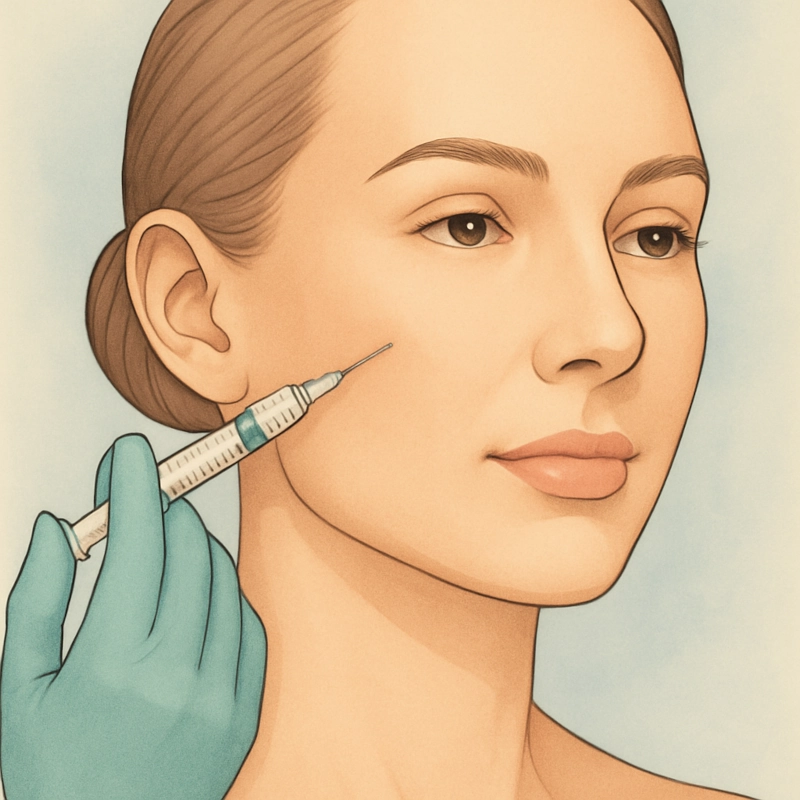
The procedure begins with the application of an anesthetic, either as a cream or a local injection, to ensure the patient feels no significant aches or pains. After the anesthetic takes effect, the skin is thoroughly cleaned with an antiseptic solution.
2. The Injection Process
The practitioner then injects the filler into the targeted areas. Depending on the patient's needs, more than one type of filler may be used during the same session to treat lines of varying depths. For very deep creases, a follow-up session after 3 months may be recommended to achieve the most successful results.
3. Aftercare and Side Effects
- Immediate Aftercare: For about three days following the procedure, it is best to avoid strenuous physical activity, facial massages, and exposure to very hot or cold environments (like saunas or extreme cold) until any swelling and redness subside.
- Side Effects: Temporary side effects are common and may include redness, swelling, and bruising at the injection sites.
- Resuming Routines: Normal skincare products can typically be used the day after the treatment.
Specialized Filler Techniques and Applications
Light Filler
This is a newer technique that sits between traditional fillers and mesotherapy. Its primary goal is to improve the skin's texture and ability to reflect light, giving it a radiant glow. It is a simple but effective procedure, often carried out in a series of three sessions, performed once a week. Visible results can often be seen after the first injection, with cumulative benefits over the full course.
Back of the Hand Rejuvenation
Fillers offer a solution for signs of aging on the hands, such as thinning skin, volume loss, and increasingly visible veins. The goal of hand rejuvenation is to replace this lost subcutaneous tissue and improve the quality of the skin.
- For Volume: Dermal fillers are used to plump the subcutaneous layer of the skin on the back of the hand.
- For Skin Quality: Treatments like pure hyaluronic acid injections and PRP (Platelet-Rich Plasma) are used to moisturize and improve the quality of thin, worn skin.
- For Blemishes: Age spots and other skin blemishes on the hands can be treated with methods like chemical peeling or abrasion.