







CAD/CAM Technology (CEREC©)
Category: Dental
Treatment Details
Session
1-2
Operation Length
0-1 hour
Anesthesia
No
Discomfort Period
No
Return to work
The same day
Full Recovery
The same day
Results
Permanent
Hospital Stay
No
The Process of Taking a Tooth Impression: Traditional vs. Digital Methods
The journey to restoring a tooth has been revolutionized by technology. Understanding the different methods for taking a tooth's measurements is key to appreciating the advancements in modern dentistry.
The Digital Advantage with CEREC© Technology
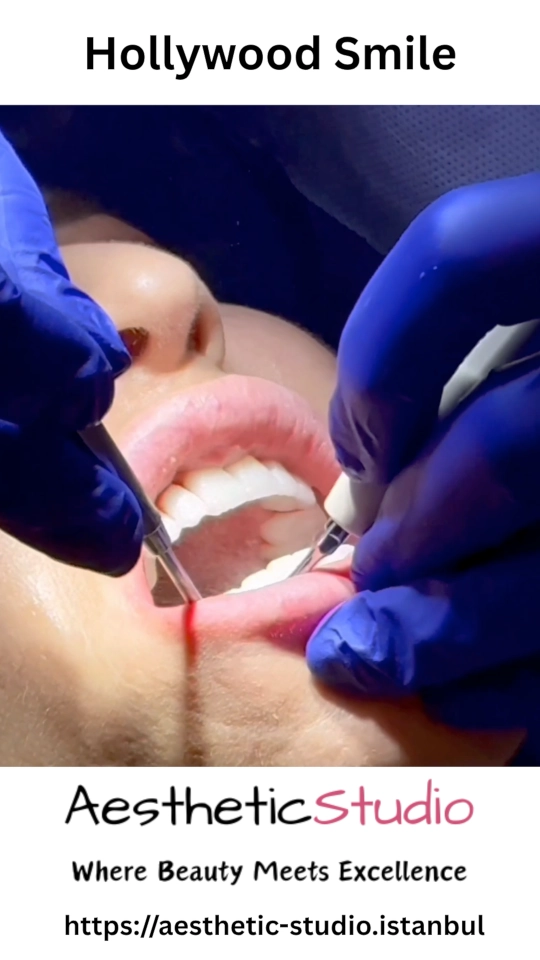
An innovative, computer-assisted technology called CEREC© enables the precise reconstruction of teeth, often within a single procedure. This method utilizes optical scanners that capture three-dimensional impressions of the teeth using a camera system. This allows for immediate and accurate digital models, giving both the dentist and the patient the ability to visualize the computer-generated positions of the new teeth. With this technology, the patient can see a simulation of how their teeth will appear and evaluate the ultimate outcome of the procedure before it even begins. Scanning all images on the screen of the CEREC device allows for the individual creation of each tooth based on the patient's desires. The final design is a synthesis of the patient's expectations and the doctor's professional recommendations. The appearance of the teeth and gums can be further refined with additional laser treatments. This entire process, from scanning to design and even fabrication, can often be completed in a single visit to the dental clinic, providing both exceptional comfort and precision in the aesthetic treatment. The key benefits of this approach include:
- Security in Results: Patients can approve the design beforehand.
- Efficiency: The entire process is often completed in one visit.
- Patient Involvement: Patients can co-design their new smile.
The Conventional Method: A Multi-Step Process
The conventional method for taking tooth measurements requires multiple visits to the dental clinic. The process begins with taking impressions of the upper and lower jaws using metal or plastic trays filled with a plaster-like material. Because these measurements must be exact, a custom tray is often created for each patient. In a subsequent visit, the dentist meticulously plans the final details before a prototype of the prosthesis is created. This procedure typically requires an average of four to five visits for planning, adjustments, and final placement. When traditional plaster molds are used, the final result of the prosthesis or implant only becomes visible after it has been manufactured and is ready for placement. If the outcome does not meet the patient's expectations, correcting the prosthesis requires additional time and resources. Furthermore, the success of this traditional procedure relies heavily on the experience of the dentist and the quality of the laboratory producing the prosthesis. Errors in taking the initial molds can lead to the incorrect production of the final restoration. Adaptation to prosthetics created in this manner can sometimes lead to complications, such as food getting trapped between the teeth and general discomfort for the patient.